Views: 305 Author: Site Editor Publish Time: 2021-06-04 Origin: Site
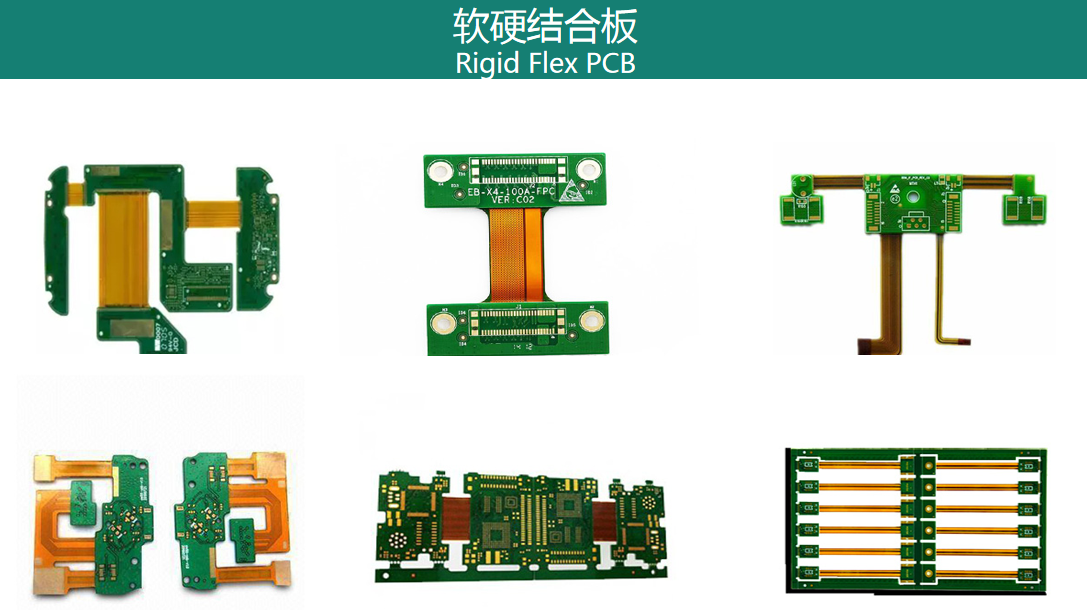
With the development of society and the continuous improvement of consumer demands for products, the demand and requirements for circuit boards and PCBs will continue to increase. Nowadays, soft-hard combined PCB board factories of all sizes are developing rapidly. At the same time as they develop, quality issues and technical problems in the production of soft-hard combined boards are also constantly erupting. Common problems with rigid-flex board products include the following:
1. Poor soldering
This is due to the contamination of the board surface of the rigid-flex board PCB during the production process or improper storage in the later period. Solution: Ensure that soft-hard board PCB manufacturers avoid pad surface contamination during the production process, ensure the humidity of soft-hard board during long-term storage, and avoid moisture storage, especially gold boards, because gold boards are more susceptible to oxidation.
2. The hole copper thickness is not enough and the hole copper plating is uneven.
This is a problem with the immersed copper plating process. For a PCB with a normal IPC standard 35um surface copper thickness, the hole copper thickness should range from 18-25um. However, in general small-scale circuit board PCB factories, the production operations are not standardized, and the testing methods do not have strict requirements. It is possible that the quality of the purchased raw materials (copper balls) itself is not up to standard, resulting in the thickness of the copper holes in the finished circuit board PCB being far less than the standard (the thickness of the hole copper is 10-15um, which is far less than the industry standard). However, this problem cannot be discovered during the electrical testing process. The result is that the hard-soft board is a good one in the hands of the customer. However, after reprocessing (SMT, wave soldering, post-soldering, power-on test, etc.), the hard-soft board will have an open short circuit. If the hard-soft board is broken, the hole copper will be broken.
This problem is difficult to find in the hands of customers. Problems such as open and short circuits can only occur after the parts are welded and powered on for testing. Characteristics of the defect pattern: The copper thickness of the hole is thin and the distribution between the hole opening and the middle of the hole is relatively uniform, and there is no obvious difference with the copper after the soldering mask is removed. There will be no phenomenon that the pattern is concentrated at the hole opening and is too thin. This is due to insufficient deposition of the electroplating itself and there is no erosion phenomenon.
Since the establishment of Chengzhiyi Circuit, after 12 years of industry experience and accumulation, Chengzhiyi has established a unique product R&D, production and quality management service system, creating a highly capable production, R&D and sales service team. The main products include various MCPCB aluminum substrates/copper substrates; PCB double-sided multilayer boards, soft-hard combined boards, PCBA module boards and patch assembly, etc. Products are widely used in new energy vehicles, industrial control and automation, LED lighting, 5G communication equipment, industrial electronic control, high-power electricity, medical equipment, intelligent security and other industries. Up to now, the comprehensive monthly output of Chengzhiyi circuit boards has reached 30,000 square meters.